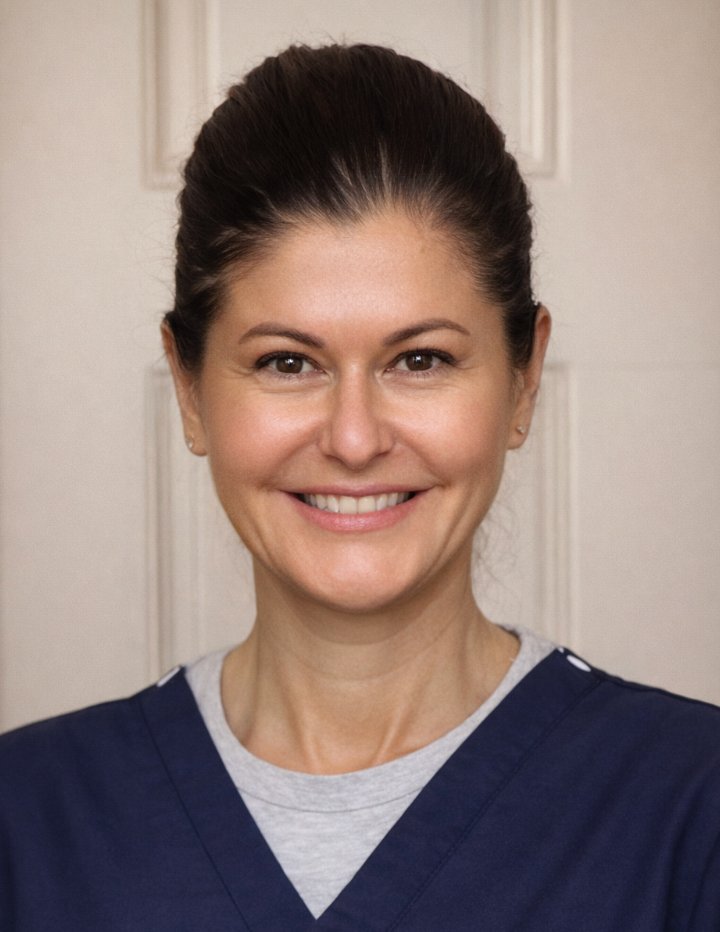
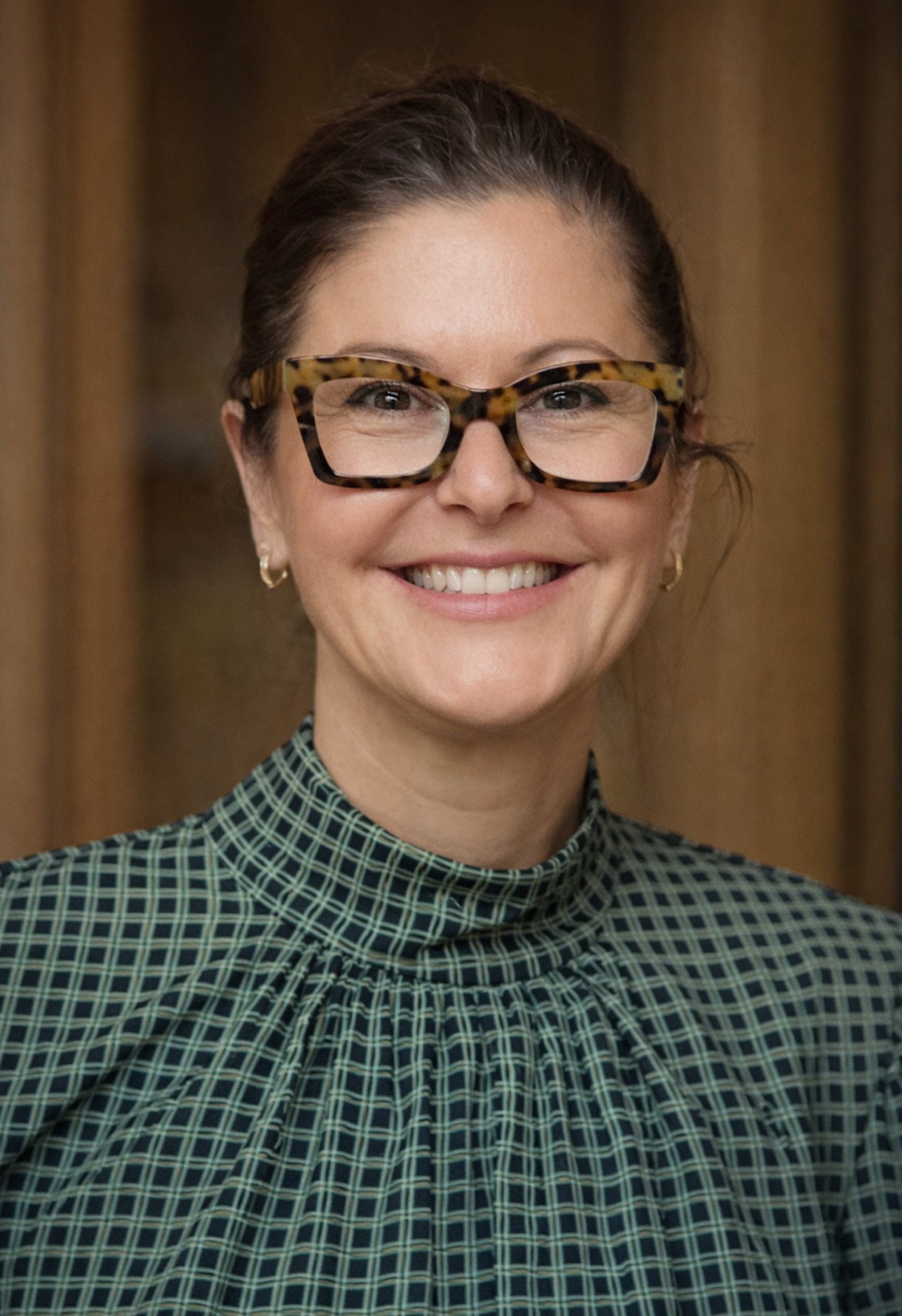
Dr Fiona MacKillop has practised specialist periodontology for over 20 years, treating gum disease, gum recession, and peri-implantitis from Wimpole Street, London W1. She accepts both self-referrals and GDP referrals.
"Gum disease, if untreated, is a major cause of tooth loss — yet with the right care, it is highly treatable at any stage."
— Dr Fiona MacKillop
Fiona qualified from Glasgow University in 1993 and completed her Masters in Periodontics at Guy's Hospital in 1997. She went on to join the prestigious Floyd & Zamet Periodontal Practice, before being appointed Assistant Clinical Professor of Surgical Sciences (Periodontics) at New York University — where she developed a particular expertise in bone and soft tissue regeneration.
On returning to London she continued to teach at Guy's as an Honorary Clinical Demonstrator, and completed her implant training at UCL Eastman Dental Institute in 2006. She has been a specialist at the Dawood & Tanner multidisciplinary practice on Wimpole Street for nearly as long as she has been a specialist.
She is an active member of the British Society of Periodontology, the American Academy of Periodontology, and the British Women's Society of Implant Dentistry, and continues to lecture and teach both in the UK and abroad.
Non-surgical therapy carried out by an experienced hygienist using special instruments to clean root surfaces free of calculus under local anaesthetic.
Oral hygiene instruction is combined with full deep cleaning under local anaesthetic. This is carried out in 1–4 sessions. A reassessment is performed 2–3 months later to evaluate the response and decide on next steps.
Once treatment is completed it is vital that you attend regular maintenance appointments. Diabetes and smoking are risk factors for gum disease — cessation or reduction in smoking makes response to treatment more predictable.
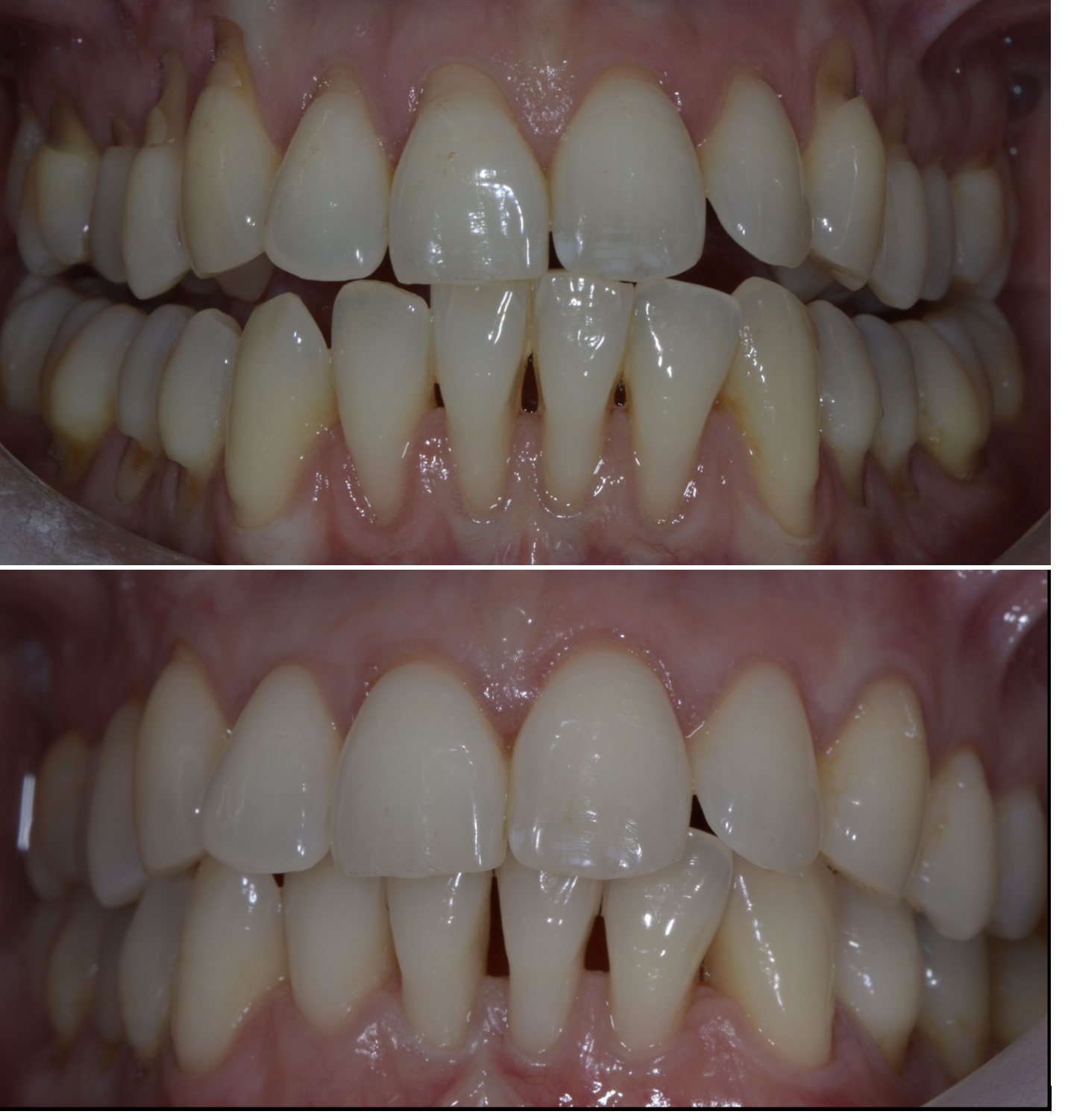
Gums can feel a little tender after treatment, but this is normally short lived. As the gums become less inflamed, you may notice that the gum level recedes slightly and spaces appear between the teeth.
Non-surgical root planing £620/quadrant · Surgical root surface debridement from £1,000
Where deep pockets persist following non-surgical therapy, periodontal surgery provides direct access to root surfaces for thorough treatment.
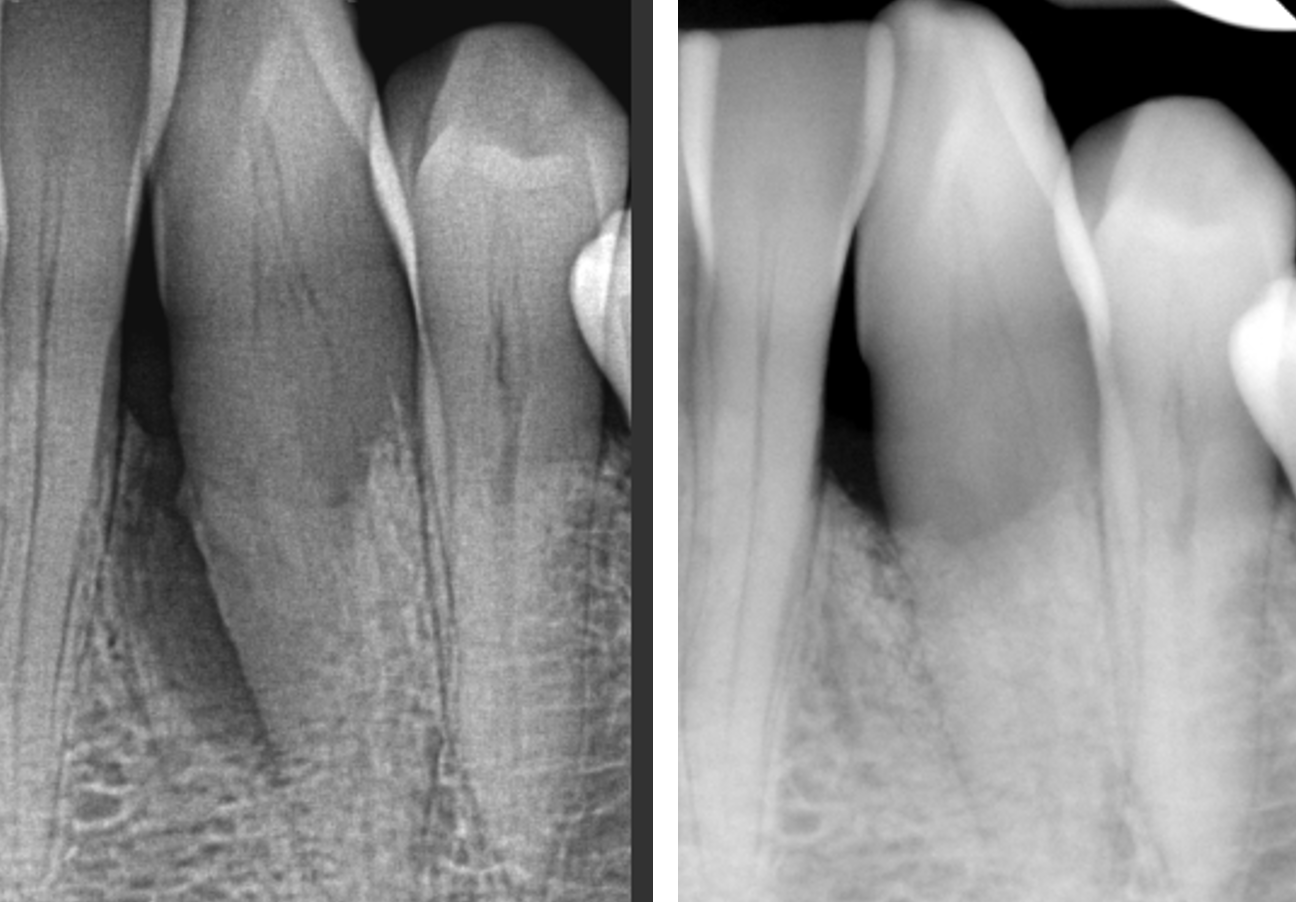
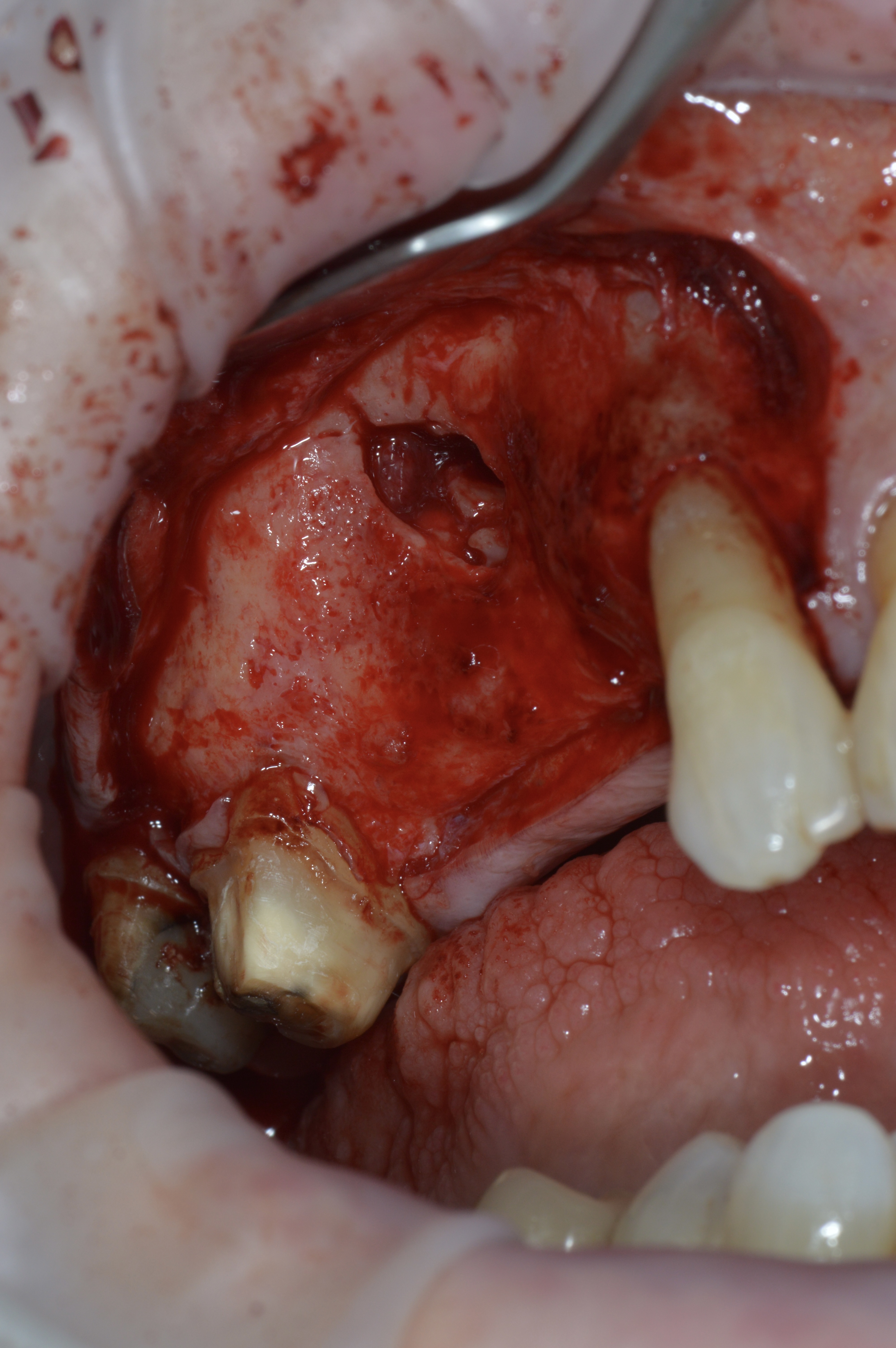
Periodontal surgery is carried out under local anaesthetic. Incisions are made into the gums, which are then retracted to allow direct access to root surfaces for thorough root surface curettage. At this point an assessment is made as to whether periodontal regeneration may be possible — a means of restoring what has been lost through gum disease.
Surgery will improve access to the root surfaces of the teeth. Regenerative products are often used to promote health. Surgery is not usually suggested unless plaque levels are below 20%.
Surgical root surface debridement from £1,000
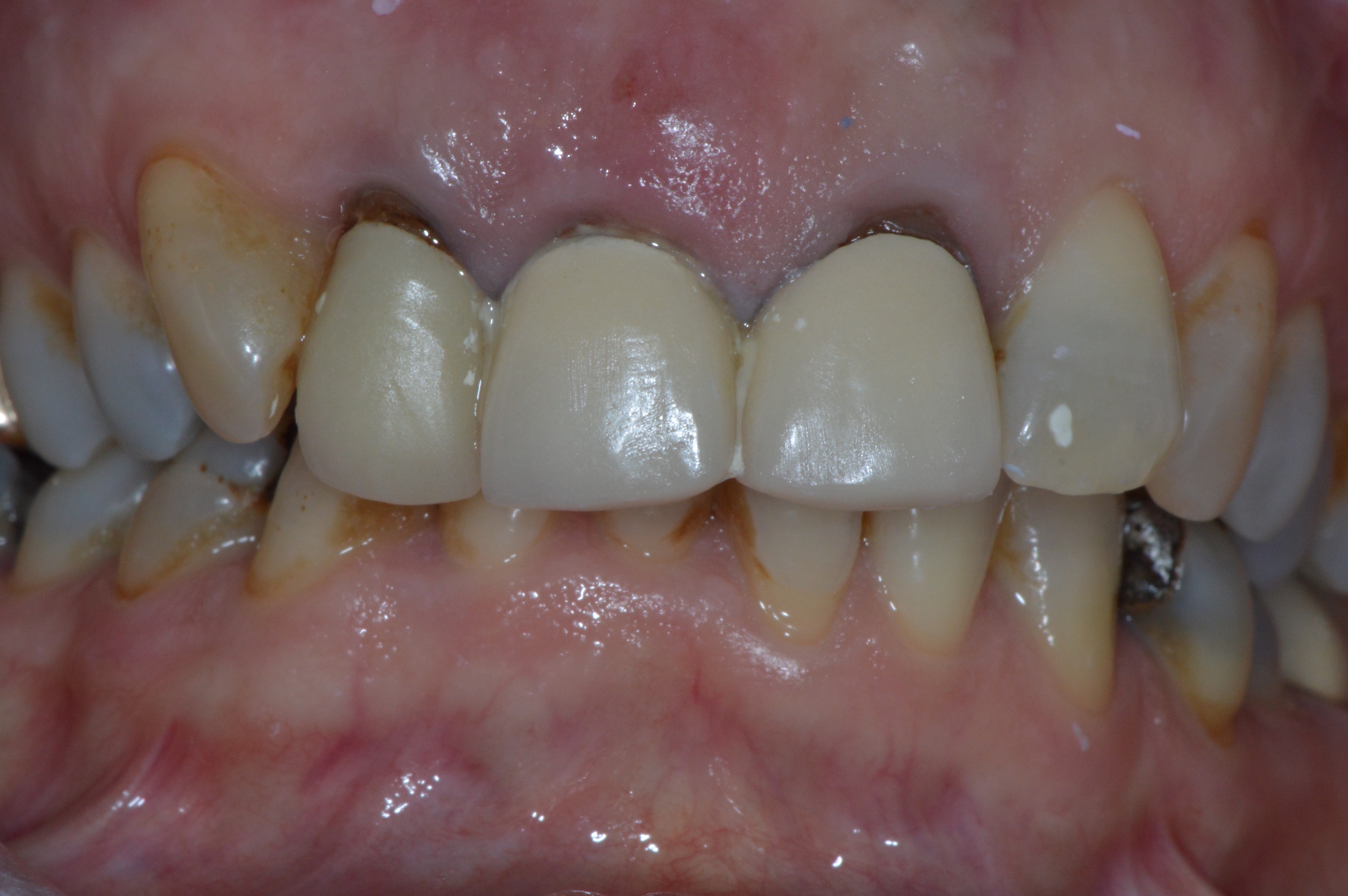
Gum recession occurs when the gum margin moves away from the crown and exposes the root surface. This can be unsightly and cause sensitivity.
Over or incorrect brushing is often one of the main causes of recession. The recession exposes root surfaces which can cause uncomfortable sensitivity or abrasion defects where softer root dentine is worn away.
There are a number of techniques to correct recession depending on severity and tissue thickness. Sometimes it is possible to cover exposed root surfaces by repositioning existing tissue. Where tissue is very thin, a graft from the roof of the mouth may be needed. In some cases a resorbable synthetic collagen matrix can be used, eliminating the need for a second surgical site.
Gum grafting from £1,600 · Gum recession surgery from £1,800
Dental implants are an increasingly popular and highly successful way of replacing missing teeth — whether a single tooth, a few teeth, or a full arch.
A dental implant is a titanium screw carefully placed in the jaw. Once placed, the implant takes 2–3 months before osseointegration is complete and it can be restored. 3D imaging allows greater accuracy for implant placement. Cases are often planned using surgical drill guides, allowing implant placement even where little bone is available.
Single implants are generally far less invasive than conventional bridgework. Implant bridges can support longer-span bridgework using multiple implants. Full arch solutions including the 'All-on-4' technique can provide a full temporary bridge the same day as surgery.
Single implant £1,830 · With crown from £4,250 · Full arch from £27,500
With the growing number of implants being placed, there has also been an increase in implant problems. Early detection is essential.
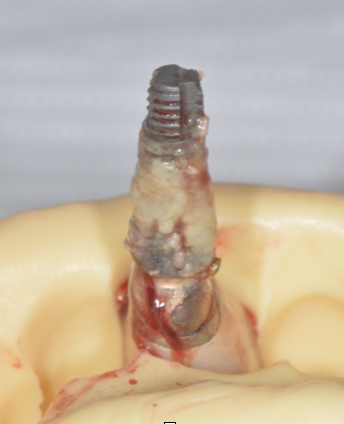
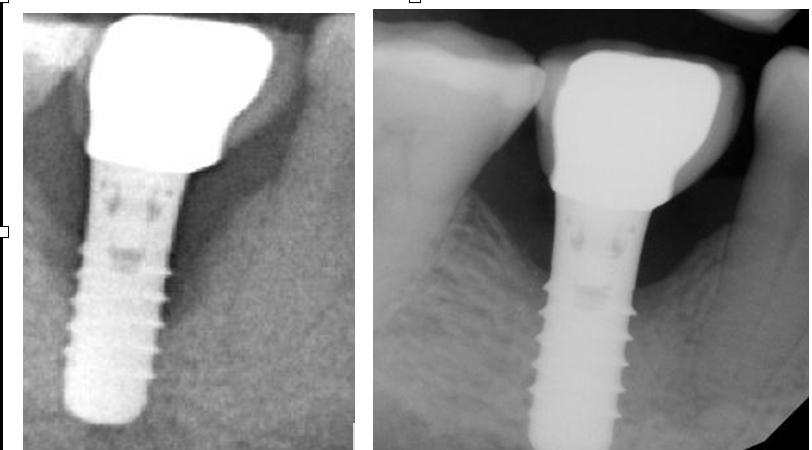
Peri-implantitis affects the gum and bone around dental implants, causing pocketing and bone loss which, if left untreated, can lead to eventual failure and loss of the implant. It is not always obvious to patients that there is a problem as it can initially be 'silent'.
It is very important that implants are reviewed on a yearly basis to highlight any issues and allow problems to be addressed early. Treatment around implants can be unpredictable and ongoing hygiene maintenance is essential.
Consultation from £160 · Advanced assessment £300
Advanced regenerative procedures to rebuild bone and soft tissue lost to periodontitis or trauma, using guided tissue regeneration techniques.
During periodontal surgery, an assessment can be made as to whether periodontal regeneration may be possible. This is a means of restoring what has been lost through gum disease, using guided tissue regeneration membranes and bone substitute materials.
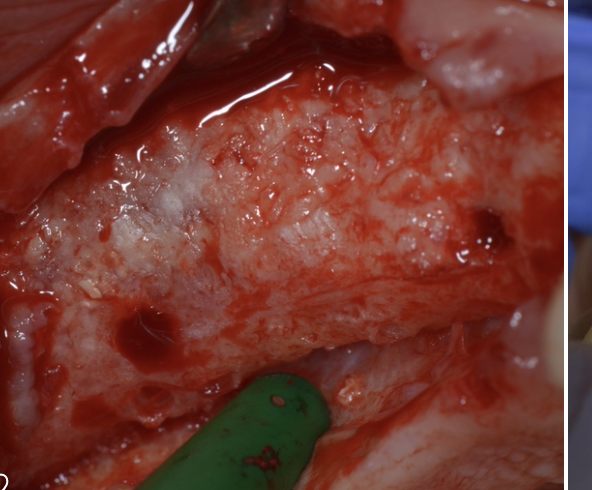
Bone regeneration is also used to prepare the jaw for successful implant placement, or to preserve teeth that would otherwise require extraction. The procedure uses 3D imaging to plan treatment with maximum precision.
Grafting / sinus lift £1,850 · Assessed individually at consultation
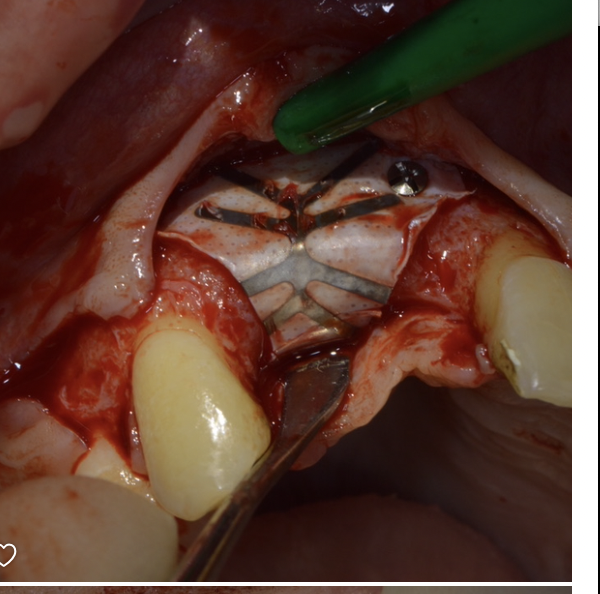
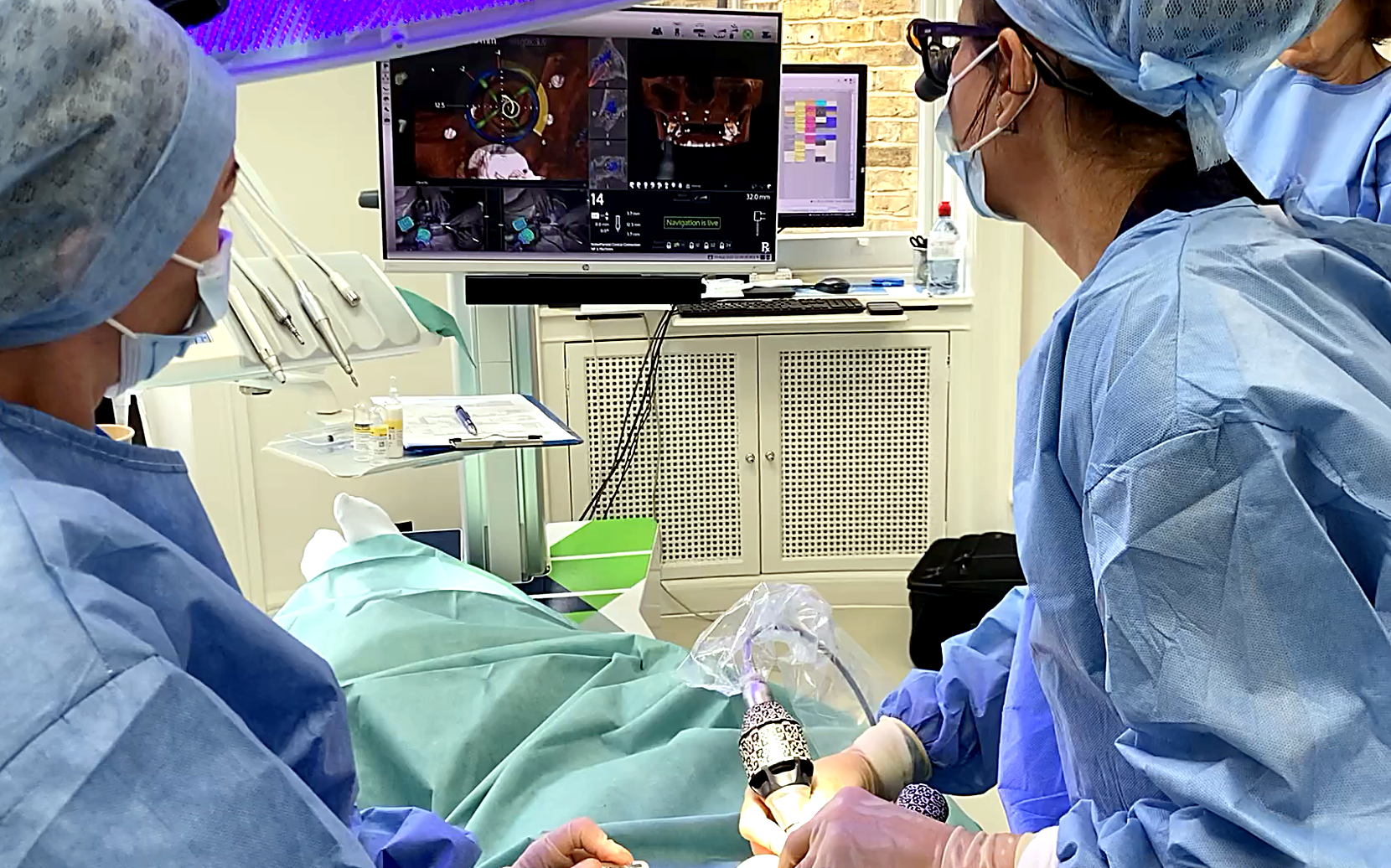
For dental implants, Dr MacKillop often uses X-Guide — a live 3D navigation system that guides implant placement with pinpoint accuracy throughout surgery, similar to GPS.
This means each implant can be placed exactly where it’s planned, often without needing to cut back the gum tissue — a more precise, less invasive procedure, with typically less swelling, less discomfort, and a faster recovery.
All fees include a detailed written report. Treatment fees are confirmed in writing following your initial assessment. No hidden costs.
All fees are confirmed in writing following your initial assessment. There are no hidden costs — every component of your treatment is itemised before work begins. Finance can be arranged through an independent provider subject to their terms.
Dr MacKillop welcomes referrals from general dental practitioners and specialist colleagues. She prides herself on thorough, timely reporting and a collaborative approach to patient care.
The practice team at Dawood & Tanner will coordinate all bookings and enquiries. Dr MacKillop sees patients at 45 Wimpole Street, London W1G 8SB.
"Dr MacKillop explained my gum condition clearly and made a genuinely daunting diagnosis feel manageable. Her treatment plan was thorough and the results have been remarkable."
"I was referred by my dentist after years of gum problems. The standard of care at Dawood & Tanner is exceptional — I only wish I'd been referred sooner."
"As a nervous patient I was apprehensive about periodontal surgery. Dr MacKillop put me completely at ease and the outcome — including my implant — has been life-changing."